
The Ideology That Followed Him
The Disappearance of Josef MengeleThis flow traces how Josef Mengele carried Nazi racial ideology from academic ambition into murder, denial, and an exile shaped by the same convictions.
increasing Bearing strength in each event
 decreasing
Bearing strength in each eventdecreasingA Career in Eugenics

A Career in Eugenics
Ambition as science
Josef Mengele studied medicine and anthropology under prominent racial researchers. He treated eugenics as a route to professional distinction and a biological framework for social policy.
Ideology rewarded
His education made hierarchy and racial classification appear respectable. The institutions around him supplied intellectual authority to beliefs that would later support mass violence.
Research at Auschwitz
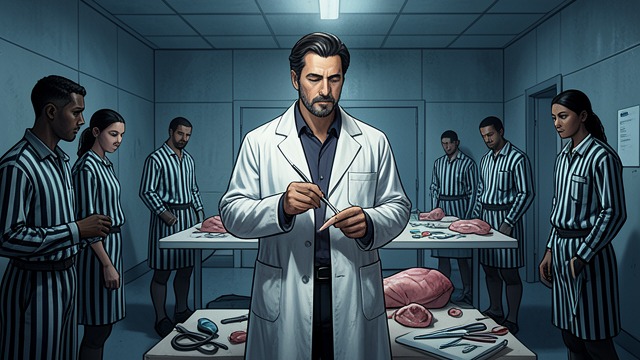
Research at Auschwitz
Science without consent
Josef Mengele conducted experiments on prisoners and sent specimens to German research institutions. His work depended on coercion, injury, and murder.
A system of participation
The research was not detached from state policy or camp administration. It connected academic ambition to a machinery that treated human beings as biological material.
Escape Without Repentance

Escape Without Repentance
A new identity
Josef Mengele evaded arrest through aliases, escape networks, and assistance from family and sympathizers. He did not treat concealment as a reason to reconsider his actions.
Continuity of belief
In Argentina, he remained committed to racial hierarchy and authoritarian politics. The geography changed, but the moral assumptions behind his crimes endured.
A Defense to His Son
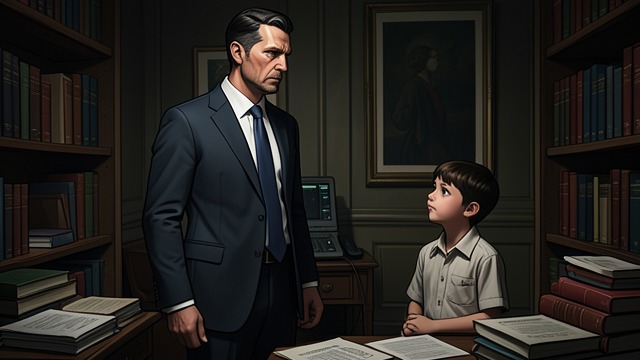
A Defense to His Son
Duty as absolution
Josef Mengele told Rolf that he had acted to protect a biological community and obeyed legal orders. He portrayed murder as a necessary form of public service.
The victim erased
His explanation depended on denying Jewish victims’ humanity. It revealed that the ideology was not a mere past affiliation but an active moral defense of extermination.
The Ideology’s Enduring Warning
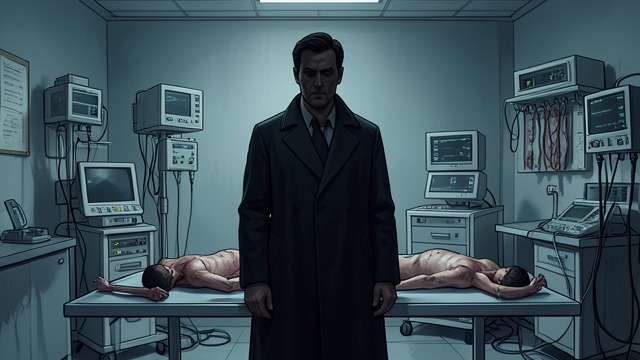
The Ideology’s Enduring Warning
Remains as evidence
The identification and later medical use of Josef Mengele’s remains closed the physical story of his escape. It did not end the need to examine the beliefs and institutions that had enabled him.
Memory and recurrence
The book concludes that societies can again normalize cruelty when memory fades. Josef Mengele’s career warns how ambition and prejudice can turn professional authority into organized harm.
1930s
1943 to 1945
1945 to 1956
October 1977
1985 to 2016
